1. Lack of Hard Parts:
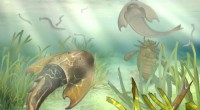
* Many invertebrates lack hard parts like bones or shells that fossilize easily.
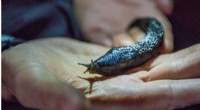
* Soft-bodied organisms like worms, jellyfish, and insects decay quickly, leaving little chance for preservation.
2. Small Size:
* Invertebrates are often small, making them fragile and susceptible to being destroyed before fossilization.
* Their small size also makes them less likely to be buried in sediment, a crucial step in the fossilization process.
3. Habitat Preferences:
* Many invertebrates live in environments that are unfavorable for fossilization, such as deep oceans, forests, or caves.
* These environments often lack the conditions necessary for rapid burial and preservation.
4. Degradation and Erosion:
* Even if an invertebrate is buried, its remains can be degraded or eroded over time, especially if exposed to oxygen or other damaging factors.
* This can destroy the fossils before they are discovered.
5. Limited Preservation Potential:
* Some environments simply don't provide the ideal conditions for fossilization, regardless of the organism's hardiness.
* For example, environments with a high rate of decomposition or frequent disturbance are less likely to preserve invertebrate fossils.
6. Sampling Bias:
* Our understanding of invertebrate fossils is limited by where we search for them.
* We tend to focus on areas that are easily accessible, neglecting potentially rich fossil sites in remote or difficult-to-access locations.
7. Incomplete Fossil Record:
* Even with the best preservation, the fossil record is incomplete.
* Many extinct species are unrepresented in the fossil record, leaving gaps in our knowledge of invertebrate evolution.
8. Difficulty in Identification:
* Some invertebrate fossils are difficult to identify, even by experts.
* This can make it challenging to understand the relationships between different species and their evolution.
These factors combined make the invertebrate fossil record incomplete and challenging to interpret. However, ongoing research and advancements in paleontological techniques are constantly improving our understanding of these diverse and fascinating creatures.