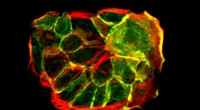
1. DNA: Genes are made up of DNA, a molecule that contains the genetic instructions for building and maintaining an organism.
2. Chromosomes: DNA is organized into structures called chromosomes, which are found in the nucleus of every cell. Humans inherit 23 chromosomes from their mother and 23 chromosomes from their father, for a total of 46 chromosomes.
3. Alleles: Each gene exists in different versions called alleles. For example, the gene for eye color has alleles for brown eyes, blue eyes, green eyes, etc.
4. Inheritance: During sexual reproduction, each parent contributes one chromosome from each pair to their offspring. This means that the offspring inherits one allele for each gene from their mother and one allele from their father.
5. Expression: The combination of alleles an offspring inherits determines the traits they express.
* Dominant alleles: These alleles mask the effects of recessive alleles. For example, if a person inherits one allele for brown eyes (dominant) and one allele for blue eyes (recessive), they will have brown eyes.
* Recessive alleles: These alleles are only expressed if an individual inherits two copies of the recessive allele. For example, a person must inherit two alleles for blue eyes to have blue eyes.
In summary:
* Genes are the units of heredity that determine traits.
* Genes are made up of DNA and organized into chromosomes.
* Each gene exists in different versions called alleles.
* During reproduction, each parent contributes one chromosome from each pair to their offspring.
* The combination of alleles an offspring inherits determines the traits they express.
Important Note: This is a simplified explanation. There are many other factors that can influence the expression of traits, such as environmental factors and the interactions between multiple genes.