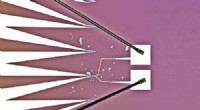
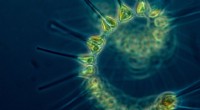
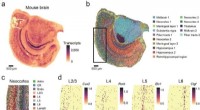
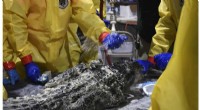
1. Physical Sciences: This group deals with the study of non-living matter and its behavior. It includes:
* Physics: The study of matter and energy and how they interact.
* Chemistry: The study of the composition, structure, properties, and reactions of matter.
* Astronomy: The study of celestial objects and phenomena.
* Geology: The study of the Earth's structure, composition, and history.
* Meteorology: The study of the Earth's atmosphere and weather.
2. Life Sciences (Biology): This group focuses on the study of living organisms and their interactions. It includes:
* Botany: The study of plants.
* Zoology: The study of animals.
* Microbiology: The study of microscopic organisms.
* Ecology: The study of the interactions between organisms and their environment.
* Genetics: The study of heredity and variation in living organisms.
3. Social Sciences: This group explores human behavior, interactions, and society. It includes:
* Psychology: The study of the human mind and behavior.
* Sociology: The study of human society and its structures.
* Anthropology: The study of human cultures and origins.
* Economics: The study of how people make choices in the face of scarcity.
* Political Science: The study of government and political systems.
It's important to note that these divisions aren't always clear-cut. There are many areas where disciplines overlap, and new fields of study are constantly emerging. For example, biophysics blends elements of both physical and life sciences.