Here are a few of the most important ones:
Protection:
* Barrier against infection: Skin acts as a physical barrier, preventing harmful microorganisms from entering the body.
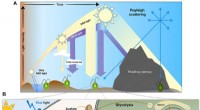
* Protection from UV radiation: Melanin in skin helps protect us from harmful ultraviolet radiation from the sun.
* Protection from injury: Skin acts as a cushion and helps protect our internal organs from injury.
Regulation:
* Temperature regulation: Skin helps regulate body temperature through sweating and blood vessel dilation/constriction.
* Sensation: Skin contains numerous sensory receptors that allow us to feel touch, pressure, pain, temperature, and other stimuli.
Other important functions:
* Vitamin D synthesis: Skin plays a crucial role in producing vitamin D, which is essential for bone health.
* Excretion: Skin helps excrete waste products, such as sweat.
* Repair and regeneration: Skin has a remarkable ability to repair itself after injury.
So, while it's not entirely accurate to limit skin to just two functions, protection and regulation are arguably the most prominent.