1. Multinucleate Cell Formation:
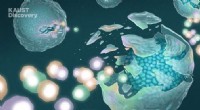
* The cell would undergo nuclear division (mitosis or meiosis) normally, resulting in the duplication of chromosomes and the formation of two separate nuclei.
* However, the cytoplasm would not divide, leading to a single cell with multiple nuclei. This is known as a multinucleate cell or syncytium.
2. Increased Cell Size:
* The cell would continue to grow in size as it accumulates more organelles and cytoplasm.
* This can lead to a very large cell with multiple nuclei, exceeding the normal size limits of a typical cell.
3. Abnormal Cell Function:
* The multiple nuclei within the cell may not function independently, leading to potential issues with gene expression and protein synthesis.
* The large cell size might also hinder proper communication and coordination between organelles.
4. Potential Consequences:
* Depending on the type of cell and the context, the lack of cytokinesis could have various consequences:
* In embryonic development: Multinucleate cells are sometimes a normal part of development, but prolonged failure of cytokinesis can disrupt organ formation.
* In adult tissues: This can lead to abnormal cell growth and function, potentially contributing to conditions like cancer.
* In other contexts: The consequences might depend on the specific cell type and its role in the organism.
In summary, the failure of cytokinesis would result in the formation of a single, multinucleate cell with increased size and potential for abnormal function. This could have various implications depending on the cell type and its role in the organism.