1. Nutrients:
* Carbon source: Bacteria need a source of carbon to build their cells. This can be organic carbon (sugars, proteins, fats) or inorganic carbon (carbon dioxide).
* Nitrogen source: Nitrogen is essential for building proteins and nucleic acids. Bacteria can obtain nitrogen from various sources like ammonia, nitrates, or even atmospheric nitrogen.
* Other nutrients: Bacteria need other essential nutrients like phosphorus, sulfur, potassium, and trace minerals.
2. Temperature:
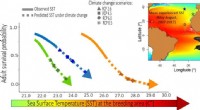
* Optimum temperature: Each bacterial species has an optimum temperature range for growth. Some prefer cold temperatures (psychrophilic), others moderate temperatures (mesophilic), and others high temperatures (thermophilic).
* Minimum and maximum temperatures: Bacteria can still grow at temperatures outside their optimum range, but their growth rate will be slower. Beyond certain limits, bacteria will die.
3. Moisture:
* Bacteria need water to survive. They need it for their metabolic processes, transporting nutrients, and waste removal.
* Water activity: This refers to the amount of free water available for bacterial growth. Bacteria require a certain level of water activity to thrive.
4. pH:
* Optimum pH: Different bacteria have different optimal pH ranges. Some prefer acidic environments, while others prefer neutral or alkaline environments.
* Tolerance range: Most bacteria can tolerate a certain range of pH outside their optimal range.
5. Oxygen:
* Aerobes: These bacteria require oxygen to grow.
* Anaerobes: These bacteria can grow in the absence of oxygen. Some are even killed by oxygen (obligate anaerobes).
* Facultative anaerobes: These bacteria can grow with or without oxygen.
6. Light:
* While some bacteria can utilize light for photosynthesis, most bacteria are not affected by light. Some might even be killed by UV light.
7. Other Factors:
* Pressure: Some bacteria, particularly those found in deep sea environments, can thrive at high pressure.
* Salinity: Some bacteria are halophilic, meaning they prefer high salt concentrations.
* Antibiotics: Some bacteria have resistance mechanisms that allow them to survive in the presence of antibiotics.
Important Note: The conditions that favor bacterial growth can also vary depending on the specific type of bacteria. Some are more adaptable and can tolerate a broader range of environmental conditions, while others are more specialized and require specific conditions to thrive.