In Astronomy:
* Luminous Body: This refers to any celestial object that emits its own light.
* Examples: Stars, planets, nebulae, and some galaxies.
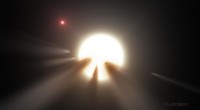
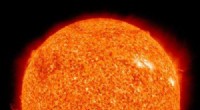
* Stars: The most common luminous bodies, they generate light through nuclear fusion.
* Planets: While planets reflect light from their star, they don't emit their own light.
* Nebulae: Clouds of gas and dust, some of which emit light through processes like excitation of atoms.
* Galaxies: Collections of stars, gas, and dust, which can appear luminous due to the combined light of their stars.
In Physics:
* Luminous Body: Anything that emits light is considered a luminous body.
* This includes everyday objects: light bulbs, fireflies, and even glowing screens.
* The light emitted can be in any part of the electromagnetic spectrum, including visible light, infrared, ultraviolet, etc.
It's important to note:
* Luminosity: This term is often used to describe the total amount of light emitted by an object per unit time.
* Brightness: This refers to the apparent brightness of an object as seen from Earth, which depends on its luminosity and distance from us.
If you were thinking of something else, please provide more context!