1. Physical Characteristics:
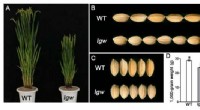
* Morphology: This refers to the outward appearance and structure of an organism, including its shape, size, color, number of limbs, and the presence or absence of specific features.
* Anatomy: This refers to the internal structure of an organism, including its organs, tissues, and cells.
* Physiology: This refers to the functioning of an organism's body, including its metabolism, reproduction, and behavior.
* Biochemistry: This refers to the chemical composition of an organism, including its proteins, DNA, and other molecules.
2. Genetic Characteristics:
* DNA Sequence: Comparing the genetic code (DNA sequence) between organisms can reveal close evolutionary relationships.
* Chromosomal Structure: The number and arrangement of chromosomes can be a distinguishing factor between species.
* Protein Structure: Similarities in protein structure can indicate evolutionary relationships.
3. Evolutionary Relationships:
* Phylogenetic Trees: These diagrams show the evolutionary relationships between organisms, based on shared ancestry and the timing of evolutionary events.
* Fossil Record: Fossils provide evidence of extinct organisms and their relationships to living species.
4. Ecological Characteristics:
* Habitat: The type of environment an organism lives in.
* Diet: What an organism eats.
* Role in the ecosystem: The specific function an organism plays in its environment.
5. Behavioral Characteristics:
* Communication: How organisms communicate with each other.
* Mating behavior: The specific ways organisms reproduce.
* Social interactions: How organisms interact with each other within a group.
6. Other Characteristics:
* Geographic distribution: The area where an organism is found.
* Life cycle: The stages an organism goes through during its life.
Note: The specific characteristics used to classify organisms vary depending on the level of classification (domain, kingdom, phylum, class, order, family, genus, species) and the specific group of organisms being studied.
The field of taxonomy is dedicated to the classification of organisms, and systematics is the study of the diversity and evolutionary relationships of organisms.