1. Root Wedging:
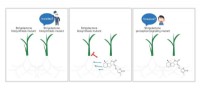
* Plants: As plant roots grow, they can penetrate cracks in rocks. As the roots grow larger, they exert pressure on the surrounding rock, eventually causing it to break apart. This process is particularly effective in areas with dense vegetation and where rocks are already fractured.
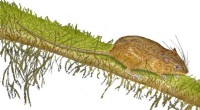
* Animals: Some animals, like burrowing rodents and earthworms, can also contribute to root wedging by creating tunnels and burrows that expose rock to the elements. These openings can allow plant roots to penetrate and further break down the rock.
2. Organic Acids:
* Plants: Plants release organic acids as part of their metabolic processes. These acids, like oxalic and carbonic acid, can dissolve minerals in rocks, weakening their structure and making them more susceptible to erosion. This process is particularly important in areas with acidic soil, such as those with a high concentration of decaying organic matter.
* Animals: Some animals, like lichens and bacteria, also produce organic acids that can contribute to rock weathering.
3. Biological Activity:
* Plants: Plants contribute to the formation of soil by breaking down rock through root wedging and organic acid production. This soil provides a habitat for other organisms, further accelerating weathering.
* Animals: Animals, like earthworms, termites, and ants, create tunnels and burrows that mix soil and rock, exposing the rock to the elements and accelerating its weathering. They also contribute to the breakdown of organic matter, which can then react with minerals in the rock to accelerate weathering.
4. Physical Disturbance:
* Animals: Some animals, like grazing animals, can cause physical disturbance to the ground, exposing rocks to weathering agents like wind and water.
* Humans: While not directly part of the natural process, human activities, such as agriculture, deforestation, and mining, can significantly alter the landscape, exposing rocks to weathering and accelerating the process.
Overall, biological weathering is a complex process involving interactions between plants, animals, and the environment. It plays a crucial role in shaping the Earth's surface and creating the fertile soil that supports life.