1. Observation:
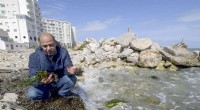
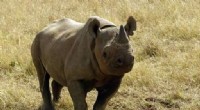
* Direct Observation: Scientists directly observe phenomena in their natural environment or in controlled settings. This could involve watching animal behavior, observing plant growth, or recording weather patterns.
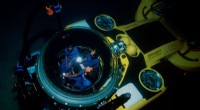
* Indirect Observation: This involves using instruments to gather data that isn't directly visible. Examples include using telescopes to study distant stars, microscopes to examine cells, or seismographs to measure earthquakes.
2. Experimentation:
* Controlled Experiments: Scientists manipulate variables in a controlled setting to isolate the effects of a specific factor. This involves setting up a control group and an experimental group, and comparing the results.
* Field Experiments: This involves conducting experiments in the natural environment, allowing for more realistic results but potentially introducing more variables.
3. Surveys and Questionnaires:
* Surveys: Used to collect data from a large group of people on their opinions, behaviors, or experiences.
* Questionnaires: Similar to surveys, but can be more structured and specific, often used to gather detailed information on a particular topic.
4. Interviews:
* Structured Interviews: Follow a set list of questions, allowing for consistent data collection across participants.
* Semi-structured Interviews: Allow for more open-ended questions and flexibility in the conversation, providing richer and more nuanced insights.
* Unstructured Interviews: Conversations are more free-flowing, allowing for spontaneous and unexpected insights.
5. Data Mining and Analysis:
* Existing Data: Scientists often analyze existing data sets, including databases, historical records, or publicly available information.
* Data Mining: Using computer programs to analyze large datasets and identify patterns or relationships that might not be apparent through traditional methods.
6. Sampling:
* Random Sampling: Selecting individuals or objects from a population at random to ensure representation.
* Stratified Sampling: Dividing the population into subgroups based on certain characteristics (e.g., age, gender) and then randomly selecting individuals from each subgroup.
* Convenience Sampling: Choosing participants who are readily available, which can introduce bias.
7. Technological Methods:
* Remote Sensing: Using satellites or aircraft to collect data from afar, often used in environmental studies or geography.
* GPS Tracking: Using GPS technology to track the movement of animals, vehicles, or people.
* Biometric Sensors: Using wearable devices to collect physiological data such as heart rate, blood pressure, or sleep patterns.
Important Considerations:
* Reliability and Validity: Scientists must ensure that their data collection methods are reliable (consistent) and valid (measuring what they're supposed to measure).
* Ethical Considerations: Data collection practices should be ethical and respect the privacy and rights of participants.
* Data Analysis: Once data is collected, it must be analyzed and interpreted to draw meaningful conclusions.
These are just some of the ways scientists collect data. The specific methods used will depend on the field of study, the research question, and the available resources.