Here's a breakdown of the concept:
What is decomposed?
* Organic matter: This includes any material derived from living organisms, such as plant and animal waste, dead organisms, wood, food scraps, and even human-made materials like biodegradable plastics.
How does it happen?
* Microorganisms: Bacteria and fungi are the primary decomposers. They feed on the organic matter, breaking it down through various enzymatic reactions.
* Environmental factors: Decomposition is influenced by factors like temperature, moisture, oxygen availability, pH, and the type of organic matter present.
The products of decomposition:
* Inorganic compounds: The process releases nutrients like nitrogen, phosphorus, and carbon back into the environment.
* Simple organic molecules: Some smaller organic molecules may be released, which can be used by other organisms.
Why is it important?
* Nutrient cycling: Decomposition is crucial for returning nutrients to the soil, making them available for plants and other organisms.
* Waste management: It helps break down waste materials, reducing their volume and potential environmental impact.
* Soil formation: Decomposition plays a significant role in the formation of fertile soils.
Examples of decomposition:
* Leaf litter decomposing in a forest.
* Compost piles breaking down organic waste.
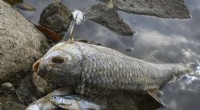
* Dead animals being consumed by bacteria and fungi.
In summary: The ability to decompose is a fundamental process in nature, driven by microorganisms and crucial for nutrient cycling, waste management, and soil health.