Valid Ways to Gain Scientific Knowledge:
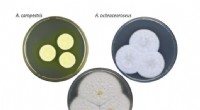
* Observation: Carefully and systematically observing the world around us. This could involve using our senses directly or using tools like microscopes or telescopes.
* Experimentation: Designing controlled experiments to test hypotheses. This involves manipulating variables and measuring the outcomes.
* Hypothesis Testing: Formulating testable explanations for observed phenomena. Scientists use experiments and observations to see if their hypotheses are supported.
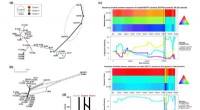
* Data Analysis: Using statistical methods to analyze collected data and draw conclusions.
* Peer Review: Submitting research findings to other experts in the field for evaluation and critique, ensuring the quality and rigor of the research.
* Collaboration: Working with other scientists to share knowledge, ideas, and resources.
What is NOT a Way to Gain Scientific Knowledge:
* Blind Faith or Belief: Accepting information without evidence or critical evaluation. Scientific knowledge is built on evidence, not faith.
* Personal Opinions or Anecdotes: While personal experiences can be interesting, they are not a reliable basis for scientific conclusions.
* Conspiracy Theories: Explanations that rely on secret plots or hidden agendas, lacking evidence and often contradicting established scientific knowledge.
* Emotional Reasoning: Allowing emotions or biases to influence the interpretation of data or the acceptance of scientific findings.
Important Note: Scientific knowledge is always evolving. New evidence can lead to revisions or even the overturning of existing theories.