Here's a breakdown of what a bioscientist does:
Areas of Study:
* Molecular Biology: Investigating the structure, function, and interactions of biological molecules like DNA, RNA, and proteins.
* Cellular Biology: Studying the structure, function, and behavior of cells, the fundamental units of life.
* Genetics: Analyzing heredity and the mechanisms of inheritance.
* Biochemistry: Exploring the chemical processes within living organisms.
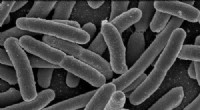
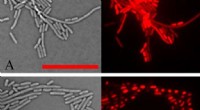
* Microbiology: Examining microorganisms like bacteria, viruses, and fungi.
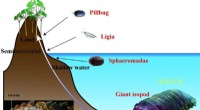
* Ecology: Investigating the interactions of organisms with their environment.
* Evolutionary Biology: Studying the origins and diversification of life on Earth.
* Physiology: Understanding the functions of living organisms and their systems.
* Zoology: Researching animals and their diverse forms.
* Botany: Focusing on plants and their biology.
Roles & Responsibilities:
* Research & Development: Conducting experiments, analyzing data, and publishing findings in scientific journals.
* Teaching & Education: Sharing knowledge and skills with students at various levels.
* Clinical Applications: Applying scientific knowledge to medical diagnostics, treatment, and drug development.
* Environmental Management: Assessing environmental health and promoting sustainable practices.
* Biotechnology & Industry: Developing new technologies and products in areas like pharmaceuticals, agriculture, and food production.
Qualifications & Education:
* Bachelor's Degree: Often in Biology, Biochemistry, or a related field.
* Master's Degree: Often for research or teaching positions.
* Doctoral Degree (PhD): Required for independent research and academic careers.
Key Skills:
* Scientific Method: Designing experiments, collecting and analyzing data.
* Critical Thinking: Analyzing information, drawing conclusions, and solving problems.
* Communication: Clearly presenting research findings in writing and orally.
* Collaboration: Working effectively in teams and sharing ideas.
* Technical Skills: Proficiency in laboratory techniques and data analysis software.
In short, bioscientists are vital to our understanding of life and its complexities. They contribute to advancements in medicine, agriculture, environmental conservation, and many other fields.