Here's a breakdown:
* What it is: The independent variable is the variable that you're interested in studying the effect of. You actively change it to see how it affects other variables.
* Purpose: You manipulate the independent variable to observe its impact on the dependent variable.
* Example:
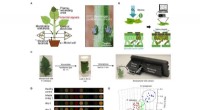
* Experiment: Studying the effect of different amounts of fertilizer on plant growth.
* Independent Variable: Amount of fertilizer (you control how much fertilizer each plant receives).
* Dependent Variable: Plant growth (you measure the height of the plants to see how it's affected).
Key Points:
* Direct Control: You have complete control over the independent variable. You decide what values it takes.
* Influence: The independent variable is thought to influence the dependent variable.
* Cause and Effect: The goal is to see if changes in the independent variable cause changes in the dependent variable.
Let me know if you have any other questions!