1. Population Size is Small:
* Founder effect: A small group of individuals breaks off from a larger population and establishes a new one. The new population may not have the same allele frequencies as the original population, leading to significant changes in genetic makeup.
* Bottleneck effect: A sudden and drastic reduction in population size, often due to environmental disasters or disease outbreaks. This leaves a smaller population with a less diverse gene pool, increasing the influence of random allele changes.
2. Isolation:
* Genetic drift has a more significant impact on isolated populations, as there's less gene flow from other populations to counteract the effects of random allele changes.
3. Over Many Generations:
* While random fluctuations in allele frequencies can occur in any generation, the effects of genetic drift become more pronounced over longer periods.
Examples:
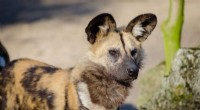
* Endangered species: Small populations of endangered species are particularly vulnerable to genetic drift, which can lead to loss of genetic diversity and increased susceptibility to diseases.
* Island populations: Island species often exhibit unique evolutionary adaptations due to the effects of genetic drift and isolation.
Key Points:
* Genetic drift is a random process, meaning that it's not directed by natural selection.
* It can lead to loss of genetic diversity within a population.
* It can cause rapid evolutionary changes in small populations.
* While often considered less significant than natural selection, genetic drift can be a powerful evolutionary force, especially in conjunction with other factors like isolation.
In contrast, genetic drift is less likely to be a major factor in evolution when:
* Population sizes are large
* Gene flow between populations is high
* Natural selection is a strong force acting on the population.