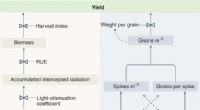
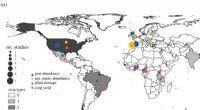
Let's consider a plant as our example.
Internal Factors:
* Hormones: Plant hormones like auxin, gibberellin, and cytokinin regulate growth, development, and response to stimuli. These are internal factors that influence how the plant functions.
* Genetic Makeup: The plant's genes determine its inherent characteristics, such as leaf shape, flower color, and disease resistance. These are internal factors that are passed down from generation to generation.
* Metabolic Processes: Photosynthesis, respiration, and nutrient transport are internal processes that occur within the plant and determine its survival and growth.
External Factors:
* Sunlight: Plants need sunlight for photosynthesis, which is essential for energy production. The intensity, duration, and angle of sunlight are external factors that influence growth.
* Temperature: Temperature affects the rate of enzymatic reactions within the plant and can determine optimal growth conditions. Extreme temperatures can be detrimental.
* Water: Plants require water for various physiological processes. Availability, quality, and quantity of water are external factors that influence plant growth and survival.
* Nutrients: Plants need essential nutrients from the soil to grow. The presence, availability, and concentration of these nutrients in the soil are external factors.
* Pests and Diseases: External factors like insects, fungi, and bacteria can cause harm to plants, impacting their growth and survival.
In summary:
* Internal factors are those that reside within the plant and influence its internal functioning, development, and response to the environment.
* External factors are environmental conditions and influences that affect the plant from the outside, influencing its growth, survival, and overall well-being.
Both internal and external factors work together to determine a plant's success. Understanding these factors is crucial for understanding plant biology and for developing effective strategies for plant cultivation and conservation.