Here's why:
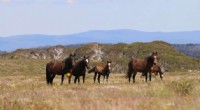
* Multicellular: Animals are made up of many cells that work together to form tissues, organs, and organ systems.
* Heterotrophs: Animals cannot produce their own food. They must consume other organisms (plants, animals, or fungi) to obtain energy.
Let's look at why other options are incorrect:
* Plants: Plants are multicellular but are autotrophs. They produce their own food through photosynthesis.
* Fungi: Fungi are multicellular (except for yeasts) but are heterotrophs that obtain nutrients by absorbing them from their surroundings. They are not classified as animals.
* Protists: Protists are a diverse group, and while some are multicellular, many are single-celled. They can be autotrophs or heterotrophs.
* Bacteria: Bacteria are single-celled organisms and are generally considered heterotrophs, but they are not multicellular.
Therefore, the only group that fits the description of multicellular heterotrophs is animals.