Biological Sciences:
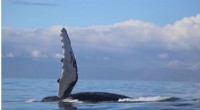
* Biologists: They study the life cycles of organisms, from microscopic bacteria to giant whales. This includes understanding their growth, reproduction, and death.
* Ecologists: They investigate how life cycles interact with the environment, including how organisms adapt to changing conditions and how their cycles influence ecosystems.
* Developmental biologists: They study the stages of development within a life cycle, from the first division of a fertilized egg to adulthood.
* Geneticists: They study the genetic basis of life cycles, including how genes are passed from one generation to the next.
* Evolutionary biologists: They investigate how life cycles have evolved over time, adapting to new environments and pressures.
Other Fields:
* Sociologists: They study the social and cultural aspects of life cycles, such as how societies define stages like childhood, adulthood, and old age.
* Anthropologists: They study the cultural meanings and rituals associated with different stages of life, comparing different cultures and societies.
* Economists: They may focus on the economic implications of life cycles, such as the costs of raising children or the impact of aging populations.
* Engineers: They might study the life cycle of products, considering factors like design, manufacturing, use, and disposal.
Ultimately, anyone who is interested in understanding the processes of growth, reproduction, and decline in the natural world, or in the human experience, can be considered to be studying the life cycle.