Here's a breakdown:
* Producers: These are organisms like plants and algae that make their own food through photosynthesis.
* Consumers: These organisms eat other organisms to obtain energy. They are further categorized:
* Herbivores: Consume plants.
* Carnivores: Consume animals.
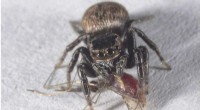
* Omnivores: Consume both plants and animals.
* Decomposers: Break down dead organic matter, like bacteria and fungi.
In summary: Consumers are an essential part of the ecosystem, playing a vital role in the transfer of energy and nutrients through food chains and webs. They help maintain the balance and diversity of life on Earth.
Beyond Ecology:
While "consumer" is most commonly used in ecology, it can also have other meanings in science, depending on the context. For example, in materials science, a "consumer" might refer to an electronic device or component that uses energy.
It's important to consider the specific context to understand the meaning of "consumer" in any scientific discussion.