1. Surface Area to Volume Ratio:
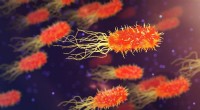
* Single-celled organisms: They have a high surface area to volume ratio. This means that the distance oxygen needs to travel from the outside to the center of the cell is very short, making diffusion efficient.
* Multicellular organisms: They have a much lower surface area to volume ratio. As organisms grow larger, their volume increases much faster than their surface area. This means the distance oxygen needs to travel from the outside environment to the cells in the interior of the organism is much longer.
2. Diffusion Rate:
* Distance: Diffusion rate is inversely proportional to the square of the distance. The longer the distance, the slower the diffusion.
* Size: The larger the organism, the greater the distance oxygen needs to travel to reach all cells, making diffusion inefficient.
3. Metabolic Demands:
* High Energy Requirements: Multicellular organisms, especially humans, have high energy requirements due to complex organ systems and activities. This requires a constant supply of oxygen for cellular respiration to generate energy.
4. Limitations of Diffusion:
* Diffusion relies solely on the random movement of molecules. This process is slow and can't keep up with the high oxygen demands of multicellular organisms.
Solution: Specialized Systems
Multicellular organisms have evolved specialized systems to overcome the limitations of diffusion:
* Respiratory System: Lungs provide a large surface area for gas exchange, allowing efficient oxygen uptake and carbon dioxide release.
* Circulatory System: The heart and blood vessels transport oxygen throughout the body, delivering it to all cells.
In summary: Diffusion is a passive process that is too slow to meet the oxygen needs of large, complex multicellular organisms. Therefore, specialized systems like the respiratory and circulatory systems are necessary to ensure efficient oxygen delivery and carbon dioxide removal.