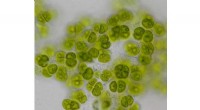
Here's a breakdown of what happens:
1. Replication: The organism's single chromosome replicates, creating two identical copies.
2. Growth: The organism grows in size, and the two chromosomes move to opposite ends of the cell.
3. Division: The cell membrane pinches inward, eventually dividing the cell into two daughter cells, each with its own copy of the chromosome.
Binary fission is common in prokaryotic organisms like bacteria and archaea. Some single-celled eukaryotes also reproduce this way.