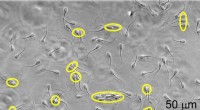
1. Sperm (male sex cell)
* Formation: Sperm cells are produced through a process called spermatogenesis which occurs in the testes. It starts with diploid spermatogonia (immature germ cells). These cells undergo mitosis to produce more spermatogonia and also primary spermatocytes. Primary spermatocytes undergo meiosis I, producing two haploid secondary spermatocytes. These secondary spermatocytes then undergo meiosis II, resulting in four haploid spermatids. Finally, these spermatids differentiate into mature sperm cells through spermiogenesis.
* Key Features:
* Small, mobile cells with a flagellum (tail) for motility.
* Carry half the genetic information of a somatic cell.
2. Egg (female sex cell)
* Formation: Egg cells are produced through oogenesis, which takes place in the ovaries. It starts with diploid oogonia (immature germ cells) that undergo mitosis to produce more oogonia and also primary oocytes. These primary oocytes start meiosis I but pause at prophase I. At puberty, one primary oocyte per month completes meiosis I, producing a haploid secondary oocyte and a small polar body (which gets discarded). The secondary oocyte begins meiosis II but pauses at metaphase II. If fertilization occurs, the secondary oocyte completes meiosis II, producing a haploid egg (ovum) and another polar body.
* Key Features:
* Large, non-motile cells.
* Carry half the genetic information of a somatic cell.
* Contain a large amount of cytoplasm and nutrients to support the early embryo.
In summary: Both sperm and egg cells are haploid, meaning they contain half the number of chromosomes as somatic cells. This is crucial for sexual reproduction, as the fusion of a sperm and egg cell during fertilization restores the diploid chromosome number in the offspring.