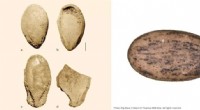
* Evidence of Past Life: Fossils are the direct physical evidence of organisms that lived in the past. They show us what life was like millions and billions of years ago, providing a tangible record of the history of life on Earth.
* Documentation of Change: Fossils can demonstrate how organisms have changed over time, revealing evolutionary lineages and patterns. They show the gradual evolution of features and the emergence of new species.
* Transitional Forms: Some of the most compelling fossil evidence comes from transitional forms – fossils that show characteristics of both an ancestral group and a more derived group. These fossils help us understand how major evolutionary changes occurred. For example, fossils of Archaeopteryx show features of both dinosaurs and birds, demonstrating the link between these groups.
* Dating and Timelines: Fossils, especially those found in sedimentary rock layers, provide a timeline of life on Earth. By studying the age of fossils, we can understand the order in which different groups of organisms appeared and how long they existed.
* Extinction and Diversity: Fossils reveal the diversity of life that has existed on Earth and also provide evidence of past extinctions. This helps us understand the dynamics of ecosystems and the impact of environmental changes on life.
* Supporting Evolutionary Theory: Fossil evidence provides strong support for the theory of evolution by natural selection. It shows the gradual change of life over time and the links between different species.
In short, fossils are like chapters in the history book of life. They provide irrefutable evidence of evolution, allow us to reconstruct the past, and help us understand the mechanisms that drive life's amazing diversity.