Ectoparasites are organisms that live on the exterior of their host, feeding on its blood, skin, or other external tissues. Here are some examples, grouped by type:
Insects:
* Fleas: Feed on the blood of mammals and birds.
* Lice: Live and lay eggs on the skin of mammals, feeding on blood and causing itching.
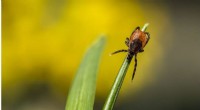
* Ticks: Attach to their host's skin and suck blood. Some can transmit diseases.
* Mosquitoes: Feed on blood, often acting as vectors for diseases.
* Bed bugs: Feed on human blood while we sleep, causing itchy bites.
* Kissing bugs: Feed on blood, often near the mouth, and can transmit Chagas disease.
* Head lice: Specific to humans and live on the scalp, feeding on blood.
* Body lice: Live on clothing and feed on blood, causing severe itching.
* Pubic lice ("crabs"): Live on pubic hair and feed on blood.
Arachnids:
* Mites: Live on the skin of various animals, including humans. Some cause scabies and other skin conditions.
* Chiggers: The larval stage of certain mites, known for their painful bites.
* Scabies mites: Burrow into human skin, causing intense itching.
* Demodex mites: Live on human eyelashes and hair follicles.
Other:
* Fish lice (copepods): Parasitic crustaceans that attach to the skin and gills of fish.
* Sea lampreys: Jawless fish that attach to their host and feed on blood.
* Leech: Annelids that attach to hosts and suck blood.
* Horsehair worms: Parasitize insects and control their behavior.
This is just a sampling of the many ectoparasites that exist. They can be found in various habitats and affect a wide range of hosts.