Sexual Reproduction:
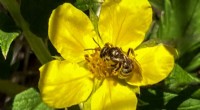
* Pollination: Gladiolus flowers are pollinated by insects, primarily bees. Pollen is transferred from the anthers of one flower to the stigma of another.
* Fertilization: After pollination, the pollen grain travels down the style to the ovary, where it fertilizes the ovule.
* Seed Formation: The fertilized ovule develops into a seed inside the ovary. The ovary itself develops into a capsule containing the seeds.
Asexual Reproduction:
* Cormels: Gladiolus reproduce asexually through cormels, which are small, bulb-like structures that form at the base of the main corm. These cormels develop into new plants.
* Division: Large corms can also be divided into smaller pieces, each containing a bud. These divisions can then be planted to produce new plants.
The Process:
1. Flowering: Gladiolus flowers are pollinated by insects.
2. Seed Formation: Fertilized ovules develop into seeds.
3. Cormel Development: New cormels develop at the base of the main corm.
4. Dormancy: After flowering, the gladiolus corm goes dormant.
5. Spring Growth: The following spring, the corm sends up a new shoot, and the cormels develop into new plants.
Note: Gladiolus can also be propagated by cuttings, but this method is less common.
Which method is more common?
Asexual reproduction through cormels is the most common way for gladiolus to reproduce in the wild. This is because it is a faster and more efficient way to produce new plants. Sexual reproduction is less common, but it is important for genetic diversity.