1. Shared Physical Features:
* Body structure: This includes the overall shape, size, and arrangement of limbs, organs, and other body parts. For example, all cats have sharp claws, retractable teeth, and a similar body shape.
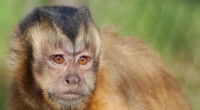
* Anatomical features: This includes the internal structure of the body, such as the skeleton, muscles, and organs. For example, all primates have five fingers on each hand and five toes on each foot.
* Physiological features: This includes the functioning of the body systems, such as the circulatory system, respiratory system, and digestive system. For example, all birds have a unique respiratory system with air sacs that allow them to fly efficiently.
2. Shared Behavioral Traits:
* Mating behavior: This includes how animals find mates, court them, and raise their offspring. For example, all birds build nests and lay eggs.
* Feeding behavior: This includes what animals eat, how they obtain their food, and how they digest it. For example, all carnivores have sharp teeth and claws adapted for hunting and eating meat.
* Social behavior: This includes how animals interact with each other, forming groups, hierarchies, or territories. For example, all wolves live in packs with a complex social structure.
3. Genetic Similarity:
* DNA analysis: Scientists use DNA sequencing to compare the genetic makeup of different species and determine their evolutionary relationships. For example, cats and dogs share a common ancestor and have a significant amount of genetic similarity.
4. Evolutionary History:
* Fossil record: Studying fossils helps scientists understand the evolution of animals and their relationships to each other.
* Phylogenetic analysis: This method uses data from different sources, such as DNA, fossils, and anatomical features, to construct evolutionary trees that show how different species are related.
Important Note:
It's crucial to remember that classification is not a rigid system. As our understanding of animals evolves, so do the classifications. New discoveries and advancements in technology can sometimes lead to changes in how animals are grouped.