Research & Experimentation:
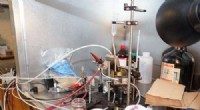
* Designing and conducting experiments: This could involve anything from analyzing data to running simulations to collecting samples in the field.
* Analyzing data: Using statistical software and other tools to interpret data from experiments.
* Writing reports and papers: Summarizing research findings and sharing them with the scientific community.
* Presenting research findings: Presenting their work at conferences, seminars, and meetings.
* Collaborating with other scientists: Working with colleagues in their lab or across institutions to share knowledge and resources.
Beyond Research:
* Seeking funding: Writing grant proposals to secure financial support for their research.
* Mentoring students: Teaching and advising undergraduate and graduate students.
* Managing lab resources: Ordering supplies, maintaining equipment, and managing budgets.
* Staying up-to-date with current research: Reading scientific journals and attending conferences to stay informed about new findings in their field.
* Communicating with the public: Engaging with the public about their research and its implications.
A few examples of what scientists do on a daily basis:
* A biologist might spend their day in the lab culturing cells, analyzing DNA sequences, or preparing for fieldwork.
* A chemist might be working on synthesizing new molecules, running analytical tests, or writing up their results.
* A physicist might be working on simulations, analyzing data from particle accelerators, or building new instruments.
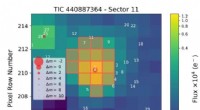
* An astronomer might be analyzing images from telescopes, writing code to process data, or presenting their research at a conference.
Ultimately, the daily life of a scientist is driven by their passion for discovery and their desire to understand the world around them. They are constantly learning, experimenting, and sharing their findings with the world.