1. Composition and Distribution:
* Living Organisms: Includes all plants, animals, fungi, bacteria, and other microorganisms.
* Physical Environment: Encompasses the atmosphere, hydrosphere (oceans, lakes, rivers), and lithosphere (Earth's crust and upper mantle).
* Spatial Distribution: Life is distributed across the globe, with different ecosystems adapted to specific environmental conditions.
2. Interconnectedness:
* Ecosystems: The biosphere is a network of interconnected ecosystems, each with unique characteristics. These ecosystems are linked through the flow of energy, nutrients, and species.
* Flows of Matter and Energy: The biosphere relies on constant flows of energy (from sunlight) and matter (like carbon, nitrogen, and water) for its functioning. These flows are interconnected through various biogeochemical cycles.
3. Dynamic and Evolving:
* Adaptation and Evolution: Organisms within the biosphere constantly adapt and evolve to changing environmental conditions. This leads to biodiversity and the emergence of new species.
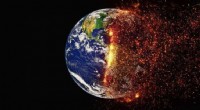
* Climate Change: The biosphere is sensitive to global climate change, which can lead to shifts in ecosystems, species distribution, and even extinctions.
4. Key Processes:
* Photosynthesis: The foundation of life in the biosphere, where plants capture sunlight and convert it into chemical energy.
* Respiration: The process by which organisms break down organic matter to release energy.
* Decomposition: The breakdown of dead organisms and waste products, releasing nutrients back into the ecosystem.
* Nutrient Cycling: The continuous movement of essential elements (like carbon, nitrogen, phosphorus) through living organisms and the environment.
5. Human Impact:
* Pollution: Human activities release pollutants into the biosphere, negatively impacting ecosystems and organisms.
* Climate Change: Human activities contribute to global warming, altering the biosphere's climate patterns.
* Biodiversity Loss: Human activities are leading to habitat loss, pollution, and overexploitation, resulting in the loss of biodiversity.
6. Key Concepts:
* Biogeochemical Cycles: The movement of chemical elements through the biosphere, including the carbon cycle, nitrogen cycle, and water cycle.
* Biodiversity: The variety of life forms present in the biosphere, including genetic diversity, species diversity, and ecosystem diversity.
* Sustainability: The ability of the biosphere to maintain its ecological balance and support life over long periods.
Understanding the characteristics of the biosphere is essential for appreciating its importance in supporting life on Earth, recognizing the impact of human activities, and promoting sustainable practices.