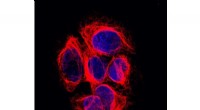
* Cells: The basic building blocks of all living things, including tissues. Each cell has a specific structure and function.
* Extracellular Matrix (ECM): This is a complex mixture of proteins and carbohydrates that surrounds cells and provides structural support, helps cells communicate, and regulates their behavior.
* Fluid: Tissues are also bathed in fluid, which helps to transport nutrients and remove waste products.
Here's an analogy: Imagine a brick wall. The bricks are like the cells, the mortar holding them together is like the ECM, and the air spaces between the bricks are like the fluid.
There are four main types of tissues in the body:
* Epithelial Tissue: Covers surfaces and lines cavities. Examples include skin, lining of the digestive tract, and the lining of blood vessels.
* Connective Tissue: Supports and connects other tissues. Examples include bone, cartilage, blood, and adipose tissue (fat).
* Muscle Tissue: Allows for movement. Examples include skeletal muscle, smooth muscle, and cardiac muscle.
* Nervous Tissue: Transmits signals throughout the body. Examples include the brain, spinal cord, and nerves.
Each type of tissue is composed of different types of cells and ECM components, which contribute to their unique functions.