Here's why:
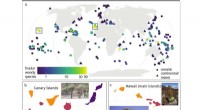
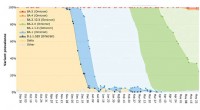
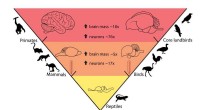
* Visualization: Graphs and charts help visualize complex data and make it easier to understand relationships and trends. This can be especially useful for large datasets or intricate patterns.
* Communication: They provide a clear and concise way to communicate findings to others, making it easier to convey the results of an experiment or analysis.
* Evidence: Graphs and charts can serve as visual evidence to support claims made in a scientific explanation. They allow readers to see the data and judge the validity of the conclusions drawn.
* Analysis: They can be used to analyze data and identify patterns or outliers that might not be immediately obvious from raw data alone.
However, they don't constitute the explanation itself. A scientific explanation requires:
* A clear and concise description of the phenomenon being explained.
* A logical and coherent argument that connects the evidence to the explanation.
* A mechanism or process that explains how the phenomenon occurs.
Graphs and charts play a supporting role in this process by:
* Illustrating the evidence.
* Helping to identify patterns and trends.
* Making the explanation more understandable and persuasive.
In essence, graphs and charts are like visual aids that enhance the understanding and credibility of a scientific explanation, but they are not the explanation itself.