1. Gene Function: While the project identified genes, it didn't fully elucidate their functions. Many genes still have unknown or incompletely understood roles.
2. Environmental Influences: The project focused on the genetic blueprint, but it doesn't capture the intricate interplay between genes and the environment. Lifestyle, diet, exposure to toxins, and other external factors play a significant role in shaping health.
3. Individual Variation: The project provided a reference genome, but individuals have variations within their DNA. This makes it challenging to predict disease risk or tailor treatments based on genome sequencing alone.
4. Epigenetics: The project didn't delve deeply into epigenetics, which studies modifications to DNA that affect gene expression without altering the underlying sequence. These modifications play a critical role in development and disease.
5. Interactions between Genes: The project mapped out individual genes, but it doesn't fully reveal how they interact with each other in complex networks. These interactions are crucial for understanding disease mechanisms.
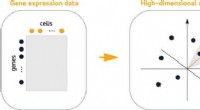
6. Gene Expression: The project focused on the sequence of DNA, but it didn't provide information about gene expression levels. This is important because different cells express different sets of genes at different times.
7. Non-Coding DNA: The project revealed that a large portion of the genome doesn't code for proteins. The function of this non-coding DNA is still largely unknown, but it is likely involved in gene regulation and other cellular processes.
In conclusion: The Human Genome Project provided a foundational understanding of the human genome, but it's just one piece of the puzzle. Many unanswered questions remain regarding the complex interplay of genes, environment, and individual variations that determine health and disease. Further research is needed to bridge these gaps.