1. Nucleus:
* Meaning: The control center of the cell, containing the genetic material (DNA) in the form of chromosomes.
* Function: Directs all cell activities, including growth, division, and protein synthesis.
2. Cytoplasm:
* Meaning: The jelly-like substance that fills the cell, surrounding the nucleus.
* Function: Provides a medium for the organelles to function and allows for the transport of molecules within the cell.
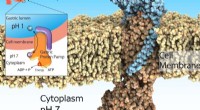
3. Cell Membrane:
* Meaning: A thin, flexible barrier that surrounds the cell.
* Function: Regulates what enters and leaves the cell, maintaining a stable internal environment.
4. Ribosomes:
* Meaning: Small, round organelles made of RNA and protein.
* Function: Responsible for protein synthesis, translating genetic code into proteins.
5. Endoplasmic Reticulum (ER):
* Meaning: A network of interconnected membranes that extend throughout the cytoplasm.
* Function:
* Rough ER: Has ribosomes attached and functions in protein synthesis and folding.
* Smooth ER: Lacks ribosomes and synthesizes lipids, detoxifies harmful substances, and stores calcium ions.
6. Golgi Apparatus:
* Meaning: A stack of flattened, membrane-bound sacs.
* Function: Processes, packages, and sorts proteins and lipids before they are transported to their final destination.
7. Lysosomes:
* Meaning: Small, membrane-bound sacs containing digestive enzymes.
* Function: Break down cellular waste products, worn-out organelles, and foreign materials.
8. Mitochondria:
* Meaning: Powerhouse of the cell, responsible for producing ATP (energy currency) through cellular respiration.
* Function: Convert glucose and oxygen into energy, releasing carbon dioxide and water as byproducts.
9. Centrioles:
* Meaning: Two small, cylindrical structures located near the nucleus.
* Function: Play a role in cell division by forming microtubules, which aid in separating chromosomes.
1. All the same parts as animal cells plus:
2. Cell Wall:
* Meaning: A rigid, protective layer outside the cell membrane, composed mainly of cellulose.
* Function: Provides structural support, maintains cell shape, and protects the cell from bursting.
3. Chloroplasts:
* Meaning: Organelles containing chlorophyll, a green pigment that absorbs sunlight.
* Function: Responsible for photosynthesis, converting light energy into chemical energy (glucose).
4. Vacuole:
* Meaning: A large, fluid-filled sac enclosed by a membrane.
* Function: Stores water, nutrients, and waste products, maintains turgor pressure (internal pressure), and helps regulate cell volume.
5. Plasmodesmata:
* Meaning: Channels that connect adjacent plant cells, allowing for communication and transport of substances.
* Function: Facilitate the movement of water, nutrients, and signaling molecules between cells.
Please note: This is a simplified explanation, and there are many other structures and functions within both animal and plant cells. Further research can provide deeper understanding and detail about the complexity of these amazing structures.