Science is a systematic and logical approach to discovering and understanding the natural world. It relies on observation, experimentation, and analysis to build a body of knowledge that explains how things work. Here's a breakdown:
Key aspects of science:
* Empiricism: Science relies on observations of the natural world, using our senses or instruments to gather data.
* Objectivity: Scientists strive to be impartial in their observations and interpretations, minimizing personal bias.
* Falsifiability: Scientific theories must be testable and potentially disproven. If a theory can't be tested, it's not considered scientific.
* Peer review: Scientific findings are reviewed by other experts in the field before publication, ensuring quality and rigor.
* Cumulative: Science builds upon itself. New discoveries often refine or expand upon previous knowledge.
Examples of science in action:
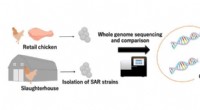
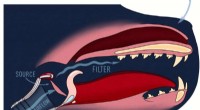
* Biology: Studying living organisms, from the smallest bacteria to the largest whales. Examples: understanding how cells function, researching the causes of diseases, developing new drugs.
* Chemistry: Investigating the composition and properties of matter. Examples: discovering new materials, creating new medicines, understanding how chemical reactions work.
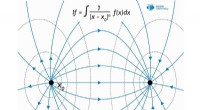
* Physics: Exploring the fundamental laws of the universe. Examples: understanding gravity, studying the behavior of light, developing new technologies.
* Astronomy: Studying celestial objects and phenomena. Examples: discovering new planets, understanding the origin of the universe, mapping the Milky Way galaxy.
* Geology: Studying the Earth's structure, composition, and history. Examples: understanding earthquakes and volcanic eruptions, exploring for resources like oil and gas, studying climate change.
Science in everyday life:
Science is not just confined to laboratories and research institutions. It's an integral part of our daily lives. Examples include:
* Technology: Smartphones, computers, cars, and countless other technologies are products of scientific advancements.
* Medicine: Vaccines, antibiotics, and modern medical treatments are all based on scientific research.
* Agriculture: Improved crop yields and pest control rely on scientific understanding of plant biology.
* Environmental protection: Scientific data informs policies to protect ecosystems and mitigate climate change.
Beyond science:
While science offers a powerful lens for understanding the natural world, it's important to acknowledge its limitations. It cannot answer all questions, particularly those related to ethics, values, and human experiences that lie outside the realm of testable phenomena.
Ultimately, science is a continuous journey of discovery, driven by curiosity and a quest to understand the universe we inhabit.