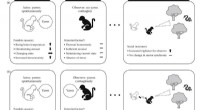
1. Independent Variable (IV):
* Definition: The factor that is intentionally manipulated or changed by the researcher. It's the "cause" in a cause-and-effect relationship.
* Example: In an experiment testing the effect of fertilizer on plant growth, the independent variable is the amount of fertilizer applied.
2. Dependent Variable (DV):
* Definition: The factor that is measured or observed in response to changes in the independent variable. It's the "effect" in a cause-and-effect relationship.
* Example: In the same plant growth experiment, the dependent variable is the height of the plants.
3. Controlled Variables (CV):
* Definition: Factors that are kept constant throughout the experiment to ensure that the results are due only to the independent variable.
* Example: In the plant growth experiment, controlled variables might include the type of plant, the amount of water given, and the temperature of the environment.
Why are variables important?
* Establish Cause and Effect: By manipulating the independent variable and observing the effect on the dependent variable, researchers can establish cause-and-effect relationships.
* Control for Extraneous Factors: Controlling variables ensures that any changes observed in the dependent variable are truly due to the independent variable, not other factors.
* Reproducibility: Clearly defined variables allow other researchers to replicate the experiment and validate the findings.
Example:
Project: Investigating the effect of different types of music on plant growth.
* Independent Variable: Type of music (classical, rock, no music).
* Dependent Variable: Plant height.
* Controlled Variables: Plant species, amount of water, light exposure, temperature.
By carefully controlling the variables and manipulating the type of music, the researcher can determine whether different types of music have a significant impact on plant growth.
Remember: Defining and controlling variables is a critical aspect of any scientific investigation. It ensures a well-designed experiment that leads to reliable and meaningful conclusions.