Light Microscopes:
* Compound Microscope: The most common type, using visible light and a series of lenses to magnify objects. Ideal for viewing thin specimens, like cells, tissues, and some microorganisms.
* Stereomicroscope (Dissecting Microscope): Uses reflected light to provide a 3D view of larger objects, like insects, plants, or small minerals. Useful for dissection and manipulation.
* Phase-Contrast Microscope: Enhances the contrast of transparent specimens by manipulating light waves. Reveals details in unstained cells.
* Darkfield Microscope: Illuminates the specimen from the sides, creating a bright object against a dark background. Good for observing unstained, transparent specimens.
* Polarizing Microscope: Uses polarized light to analyze and identify materials based on their optical properties. Used in geology, mineralogy, and materials science.
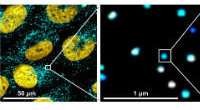
* Fluorescent Microscope: Uses fluorescent dyes to highlight specific molecules or structures within cells or tissues.
Electron Microscopes:
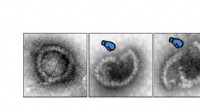
* Transmission Electron Microscope (TEM): Uses a beam of electrons to create highly magnified images of thin specimens. Provides detailed information about the internal structures of cells and materials.
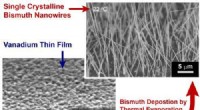
* Scanning Electron Microscope (SEM): Scans a focused beam of electrons across the surface of a specimen, generating 3D images with high resolution. Used to study the surface morphology of objects.
* Scanning Transmission Electron Microscope (STEM): Combines the capabilities of TEM and SEM, providing high-resolution images and elemental analysis.
Other Microscopes:
* Confocal Microscope: Uses lasers to scan a specimen, creating 3D images with high resolution and depth.
* Atomic Force Microscope (AFM): Uses a sharp tip to scan the surface of a specimen, creating a 3D image. Can be used to image individual molecules and atoms.
* X-ray Microscope: Uses X-rays to create images of materials, revealing internal structures and defects.
* Acoustic Microscope: Uses sound waves to create images of materials, revealing internal structures and defects.
The type of microscope used depends on the size, nature, and details of the object being studied. Each microscope has its own advantages and limitations, and scientists choose the most appropriate tool for their research.