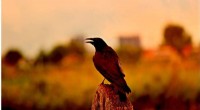
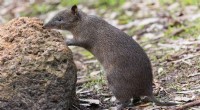
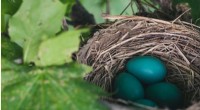
1. Organism: The most basic level. A single living thing, like a tree, a fish, or a bacterium.
2. Population: A group of individuals of the same species living in the same area. For example, a population of oak trees in a forest or a population of fish in a lake.
3. Community: All the different populations of different species living and interacting in a particular area. For instance, the community of a forest includes trees, birds, insects, fungi, and bacteria.
4. Ecosystem: A community of living organisms interacting with each other and their non-living environment. This includes the physical surroundings (like soil, water, and air) and the processes that connect them. A forest ecosystem includes the trees, animals, soil, sunlight, and the cycling of nutrients.
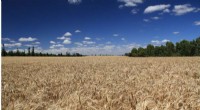
5. Biome: A large-scale ecosystem that is characterized by its climate and the dominant plant and animal life. Examples include deserts, grasslands, tundras, and rainforests.
Think of it like this:
* Organisms are the building blocks.
* Populations are groups of those building blocks.
* Communities are groups of populations interacting.
* Ecosystems are communities interacting with their environment.
* Biomes are large, complex ecosystems with similar characteristics.