1. Kingdom Monera: Single-celled organisms lacking a nucleus (prokaryotes).
* Examples: Bacteria (e.g., E. coli, Lactobacillus), Cyanobacteria (blue-green algae)
2. Kingdom Protista: Diverse group of mostly single-celled eukaryotic organisms (have a nucleus).
* Examples: Amoeba, Paramecium, Algae (e.g., seaweed, diatoms), Slime molds
3. Kingdom Fungi: Multicellular (except for yeasts), heterotrophic (obtain food from other organisms), decomposers.
* Examples: Mushrooms, molds, yeasts, mildew
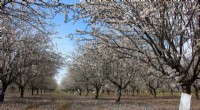
4. Kingdom Plantae: Multicellular, autotrophic (make their own food through photosynthesis), usually have cell walls.
* Examples: Trees, flowers, ferns, mosses
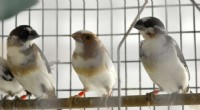
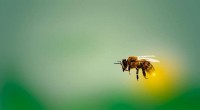
5. Kingdom Animalia: Multicellular, heterotrophic, lack cell walls, can move.
* Examples: Humans, insects, fish, birds, mammals, reptiles, amphibians
Important Note: The 5-Kingdom classification system is a bit outdated. Modern classifications often include a domain level above kingdom, recognizing three domains: Bacteria, Archaea, and Eukarya. However, the 5-Kingdom system is still commonly used for introductory biology purposes.