1. Plasma membrane: This is the outer boundary of the cell, acting as a barrier that controls what enters and exits the cell. It's made of a phospholipid bilayer with embedded proteins.
2. Cytoplasm: This is the jelly-like substance that fills the cell, containing the organelles and providing a medium for chemical reactions to occur.
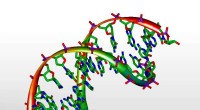
3. Genetic material (DNA): This is the blueprint for the cell, containing the instructions for building and maintaining the organism. It's located in the nucleus in eukaryotic cells and is dispersed in the cytoplasm in prokaryotic cells.
While these are the three most essential parts, there are many other structures within a cell that contribute to its overall function.