Measurement and Observation:
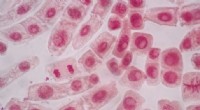
* Microscopes: Used to view extremely small objects, like cells and microorganisms.
* Telescopes: Used to view distant objects, like stars and planets.
* Balances: Used to measure mass.
* Graduated cylinders: Used to measure the volume of liquids.
* Thermometers: Used to measure temperature.
* Stopwatches: Used to measure time intervals.
* Spectrometers: Used to analyze the composition of light and matter.
* pH Meters: Used to measure the acidity or alkalinity of a solution.
Manipulation and Experimentation:
* Beakers: Used to hold and mix liquids.
* Erlenmeyer flasks: Used for mixing and storing liquids, especially during reactions.
* Test tubes: Used for holding and reacting small amounts of liquids.
* Pipettes: Used to transfer small volumes of liquids accurately.
* Burettes: Used for dispensing precise volumes of liquids.
* Funnels: Used for transferring liquids or solids into smaller containers.
* Stirring rods: Used to mix solutions.
* Bunsen burners: Used to heat substances.
* Hot plates: Used for heating substances more gently.
* Centrifuges: Used to separate substances based on density.
* Spectrophotometers: Used to measure the absorbance and transmittance of light through a substance.
* Chromatography equipment: Used to separate mixtures based on their properties.
Specialized Equipment:
* Electrodes: Used to conduct electricity or measure electrical properties.
* Electrolyzers: Used to break down substances using electricity.
* Mass spectrometers: Used to analyze the composition of substances by measuring their mass-to-charge ratio.
* X-ray diffractometers: Used to analyze the structure of crystalline materials.
* Electron microscopes (SEM, TEM): Used to visualize extremely small objects, such as individual atoms.
* Gas chromatographs: Used to separate and analyze volatile compounds.
* High-performance liquid chromatographs (HPLC): Used to separate and analyze non-volatile compounds.
Other Important Tools:
* Safety goggles: Used to protect the eyes during experiments.
* Lab coats: Used to protect clothing and skin during experiments.
* Gloves: Used to protect hands from chemicals and other hazards.
* First-aid kit: Used for treating minor injuries.
* Chemical waste containers: Used to dispose of chemicals properly.
Note: This is not an exhaustive list, and the specific equipment used in a lab will depend on the type of research being conducted.