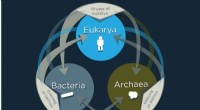
* Monera: This kingdom included all prokaryotic organisms (bacteria and archaea).
* Protista: This kingdom encompassed a diverse group of eukaryotic organisms, including algae, protozoa, and slime molds.
* Fungi: This kingdom included all multicellular, heterotrophic organisms that obtain nutrition by absorbing nutrients from their environment.
* Plantae: This kingdom included all multicellular, photosynthetic organisms.
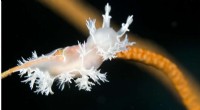
* Animalia: This kingdom included all multicellular, heterotrophic organisms that obtain nutrition by ingesting other organisms.
This system was a major advance in biological classification, providing a more comprehensive and organized way of understanding the diversity of life on Earth. It replaced the traditional two-kingdom system (plants and animals) and helped to better understand the evolutionary relationships between different organisms.