Here's why:
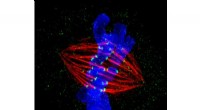
* Independent Assortment: During meiosis (the process of producing sex cells), chromosomes are shuffled randomly. This means that each offspring receives a unique combination of chromosomes from their parents.
* Crossing Over: During meiosis, homologous chromosomes (one from each parent) exchange genetic material. This swapping of DNA creates even more unique combinations of genes within each chromosome.
* Random Fertilization: When a sperm and egg fuse, it's completely random which sperm will fertilize which egg. This further increases the genetic variation within offspring.
In contrast, asexual reproduction produces offspring that are genetically identical to the parent. This is because the offspring are essentially clones of the parent, inheriting the same genetic material.
Therefore, sexual reproduction, with its multiple mechanisms for creating genetic diversity, leads to a much higher level of variation in offspring compared to asexual reproduction.