1. Detection: White blood cells constantly patrol the body, looking for anything that doesn't belong. They have receptors on their surfaces that recognize and bind to foreign substances, including:
* Antigens: Molecules on the surface of germs that identify them as foreign.
* Damaged cells: Cells that have been infected or injured.
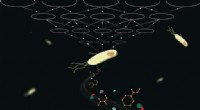
2. Engulfment and Destruction (Phagocytosis): Some white blood cells, like neutrophils and macrophages, engulf and destroy germs through a process called phagocytosis. They essentially "eat" the invaders, breaking them down and destroying them.
3. Immune Response: Other white blood cells, like lymphocytes (T cells and B cells), are responsible for launching a more targeted immune response:
* T cells: Destroy infected cells and activate other immune cells.
* B cells: Produce antibodies, which bind to antigens and mark the germs for destruction.
4. Memory: Once the immune system encounters a germ, it develops memory cells. These cells can quickly recognize and fight off the same germ if it invades again, providing long-lasting immunity.
Types of White Blood Cells and Their Functions:
* Neutrophils: The most common type of white blood cell, they are the first responders to infection and engulf bacteria and fungi.
* Macrophages: Larger phagocytes that engulf larger particles and also play a role in initiating the immune response.
* Lymphocytes: Include T cells and B cells, responsible for specific immune responses.
* Eosinophils: Target parasites and allergens.
* Basophils: Release histamine and other chemicals involved in allergic reactions.
Summary:
White blood cells act as the body's internal army, constantly on the lookout for invaders. They work together to identify, engulf, destroy, and remember germs, protecting us from infection and disease.