1. Qualitative Observation: These observations describe the qualities or characteristics of something using words, rather than numbers. They are subjective and based on personal perception.
* Examples:
* "The sky is blue."
* "The flower smells sweet."
* "The metal is shiny and smooth."
2. Quantitative Observation: These observations involve measuring and quantifying data using numbers and units. They are objective and can be repeated by different observers.
* Examples:
* "The plant grew 10 centimeters in a week."
* "The temperature is 25 degrees Celsius."
* "The object weighs 5 kilograms."
3. Controlled Observation: These observations are conducted in a carefully controlled environment to isolate and test specific variables. They are often used in experiments to determine cause-and-effect relationships.
* Examples:
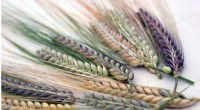
* A lab experiment testing the effect of different fertilizers on plant growth.
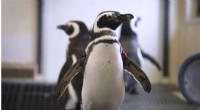
* An observation of animal behavior in a controlled setting, like a terrarium.
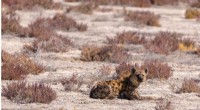
It's important to note that these categories are not mutually exclusive. A single observation might include elements of all three types. For example, observing a bird in flight could include qualitative descriptions (color, shape, movement), quantitative measurements (wingspan, speed), and controlled observations (within a specific habitat or during a particular time of day).