1. Observation:
* Direct Observation: This involves carefully watching and recording events or phenomena in their natural setting.
* Example: An ecologist observing the behavior of animals in a forest.
* Indirect Observation: This involves using tools or techniques to observe things that are too small, too distant, or too dangerous to observe directly.
* Example: Using a telescope to study distant galaxies.
2. Experimentation:
* Controlled Experiments: This involves manipulating a specific variable (the independent variable) to observe its effect on another variable (the dependent variable), while controlling all other factors.
* Example: A chemist testing the effectiveness of a new drug by comparing its effects on two groups of patients, one receiving the drug and the other receiving a placebo.
* Field Experiments: This involves conducting experiments in a natural setting, often with less control over variables than in a lab.
* Example: A biologist studying the impact of different fertilizer types on plant growth in a natural environment.
3. Surveys and Questionnaires:
* Surveys: These involve gathering information from a sample of individuals through structured questions.
* Example: A sociologist conducting a survey to understand people's attitudes towards climate change.
* Questionnaires: These are similar to surveys, but often focus on specific topics or issues.
* Example: A psychologist administering a questionnaire to assess anxiety levels.
4. Data Collection from Existing Sources:
* Literature Reviews: This involves analyzing existing research papers, books, and other publications to gather information on a topic.
* Databases and Archives: Scientists access data stored in databases and archives, such as meteorological data, census data, or historical records.
* Social Media and Internet Data: Researchers are increasingly using data from social media platforms, online forums, and other internet sources.
5. Technology and Instrumentation:
* Imaging Techniques: Microscopes, telescopes, satellites, and other imaging devices allow scientists to capture images and data from various environments.
* Sensors and Devices: Sensors are used to measure and record physical parameters, such as temperature, pressure, and light intensity.
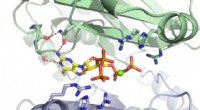
* Molecular Techniques: Scientists use DNA sequencing, protein analysis, and other molecular techniques to study the structure and function of living organisms.
6. Interviews and Focus Groups:
* Interviews: These involve asking open-ended questions to individuals to gain deeper insights and perspectives.
* Example: An anthropologist interviewing members of a particular community to understand their cultural practices.
* Focus Groups: This involves gathering a group of individuals to discuss a specific topic and share their opinions and experiences.
* Example: A market researcher conducting a focus group to get feedback on a new product design.
7. Data Analysis and Interpretation:
Once data is collected, scientists use statistical analysis, visualization tools, and other techniques to interpret the data and draw conclusions. They may also use computer models and simulations to analyze complex data and make predictions.
It's important to note that scientists rigorously test and validate their findings using multiple methods to ensure their reliability and accuracy. The scientific process emphasizes objectivity, transparency, and peer review, ensuring that data is collected and interpreted with the utmost care and rigor.