Roots:
* Anchorage: Roots hold the plant firmly in the ground, preventing it from being blown over by wind or washed away by rain.
* Water and nutrient absorption: Roots absorb water and dissolved nutrients from the soil, which are essential for plant growth and survival.
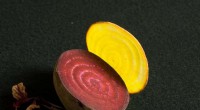
* Storage: Some plants store food and water in their roots for later use.
Stem:
* Support: The stem provides structural support for the plant, allowing it to grow upright and expose its leaves to sunlight.
* Transportation: The stem acts as a transport system, carrying water and nutrients absorbed by the roots up to the leaves, and sugars produced by the leaves down to the roots and other parts of the plant.
* Storage: Some stems store food and water, like in potatoes and cacti.
Leaves:
* Photosynthesis: Leaves are the primary site of photosynthesis, where plants use sunlight, water, and carbon dioxide to produce their own food (sugars).
* Gas exchange: Leaves have tiny pores called stomata that allow for gas exchange. They take in carbon dioxide for photosynthesis and release oxygen as a byproduct.
* Transpiration: Leaves release water vapor through transpiration, which helps to cool the plant and draw water up from the roots.
Working Together:
These three parts of the plant work together to create a self-sustaining organism. The roots anchor the plant and provide water and nutrients, the stem supports the plant and transports resources, and the leaves produce food through photosynthesis. This interconnected system allows the plant to thrive and reproduce.