Here's a breakdown of the key aspects:
* Testable: A hypothesis must be able to be tested through scientific methods, meaning there must be a way to gather evidence that supports or refutes it.
* Prediction: A hypothesis is a statement about what you expect to observe or find.
* Relationship between variables: It describes how changes in one variable might influence another variable.
For example:
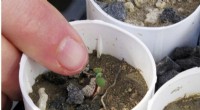
Hypothesis: "Plants grow taller when exposed to more sunlight."
* Variables: Sunlight exposure and plant height.
* Prediction: Plants exposed to more sunlight will be taller than plants exposed to less sunlight.
* Testable: This hypothesis can be tested by growing two groups of plants, one in full sun and one in shade, and measuring their heights after a certain period.
Key characteristics of a good hypothesis:
* Specific: Clearly defines the variables and the predicted relationship between them.
* Measurable: The variables can be measured or observed.
* Falsifiable: It can be proven wrong through evidence.
Hypotheses are crucial in the scientific method because they provide a framework for testing and exploring ideas, leading to new discoveries and a better understanding of the world.