1. Genetic Diversity:
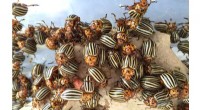
* Sharks have diverse genetic makeup: Sharks, like all living things, have genetic variations within their populations. These variations are due to random mutations in their DNA, which occur during reproduction.
* Adaptations arise from variations: Some of these genetic variations lead to differences in physical traits (phenotype), like body shape, fin size, tooth structure, and even coloration.
* Beneficial variations: If a variation happens to be advantageous in a particular environment, it helps a shark survive and reproduce better than others. This can include:
* Improved hunting skills: Sharks with sharper teeth or a more streamlined body might be better hunters.
* Enhanced camouflage: Sharks with better camouflage might be able to ambush prey more effectively or avoid predators.
* Tolerance to changing conditions: Sharks with adaptations to tolerate temperature changes or water salinity might thrive in areas with fluctuating environments.
2. Natural Selection:
* Survival of the fittest: Individuals with advantageous variations are more likely to survive, find mates, and pass on their genes.
* Elimination of disadvantageous traits: Sharks with less favorable variations might struggle to survive, reproduce, or pass on their genes as successfully.
* Evolutionary adaptation: Over generations, the accumulation of beneficial variations leads to gradual changes in the shark population as a whole, making them better suited to their environment.
3. Examples of Variation and Survival in Sharks:
* Great White Shark size variation: Larger Great Whites are better at hunting large prey, while smaller ones might be more agile in shallower waters.
* Hammerhead shark sensory adaptations: Hammerheads have eyes positioned at the ends of their hammer-shaped heads, giving them exceptional peripheral vision and sensing prey.
* Whale Shark filter feeding: Whale sharks, the largest fish in the world, have evolved specialized filter-feeding apparatus to efficiently extract tiny organisms from large volumes of water.
In Summary:
Variation provides the raw material for natural selection to act upon. Beneficial variations allow sharks to adapt to their changing environments, survive threats, and reproduce successfully. This constant cycle of variation and natural selection helps sharks thrive and ensure the long-term survival of their species.