Overview:
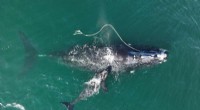
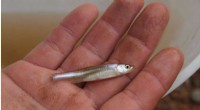
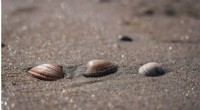
Marine biologists are scientists who study life in the ocean. They research the behavior, physiology, and interactions of marine organisms, from microscopic plankton to giant whales. Their work helps us understand the ocean's ecosystems, protect marine life, and manage resources sustainably.
Key Responsibilities:
* Research: Conduct field studies, laboratory experiments, and data analysis to investigate marine life.
* Data Collection: Gather data on marine organisms, habitats, and environmental factors using a variety of methods, including scuba diving, remote sensing, and sampling.
* Analysis: Analyze data to identify patterns, trends, and potential threats to marine ecosystems.
* Conservation: Develop strategies to protect marine life and habitats from pollution, overfishing, and climate change.
* Management: Assist in the development and implementation of policies and regulations for sustainable use of marine resources.
* Education: Educate the public about marine life and the importance of conservation.
* Communication: Write reports, publish scientific papers, and present research findings at conferences and meetings.
Specific Areas of Expertise:
* Oceanography: Study the physical, chemical, and geological aspects of the ocean.
* Zoology: Study the biology and behavior of marine animals, including fish, whales, dolphins, seals, and sea turtles.
* Botany: Study the biology and ecology of marine plants, including seaweeds, algae, and mangroves.
* Ecology: Study the interactions between marine organisms and their environment.
* Genetics: Study the genetic makeup of marine organisms.
* Fishery Science: Study the population dynamics of fish and other marine species to manage fisheries sustainably.
Required Skills and Qualifications:
* Bachelor's or Master's degree in Marine Biology, Biology, or a related field.
* Strong scientific research skills, including data collection, analysis, and interpretation.
* Expertise in field sampling techniques, laboratory procedures, and statistical analysis.
* Excellent communication and presentation skills.
* Ability to work independently and as part of a team.
* Passion for marine conservation and a commitment to environmental stewardship.
Career Paths:
* Research Scientist: Conduct independent research at universities, government agencies, or non-profit organizations.
* Consultant: Provide expert advice on marine issues to businesses, government agencies, and environmental organizations.
* Teacher/Educator: Teach marine biology at the high school or university level.
* Government Official: Work for agencies like NOAA or the EPA to develop and implement marine conservation policies.
Working Conditions:
* Fieldwork: Marine biologists often work outdoors in various environments, including on boats, at sea, and in remote locations.
* Laboratory Work: They also spend time in laboratories conducting experiments and analyzing data.
* Travel: Frequent travel to conferences, research sites, and field trips is common.
Overall, Marine Biology is a challenging and rewarding field that offers opportunities to make a real difference in protecting our oceans and the life they sustain.