Here's a breakdown:
* Self-pollination: This occurs when pollen from the same plant fertilizes the ovule.
* Self-incompatibility: This is a genetic mechanism that prevents self-pollination. Plants with this mechanism have genes that block the growth of pollen tubes from their own pollen, forcing them to rely on pollen from another individual of the same species.
Types of Plants that are Often Self-Incompatible:
* Many flowering plants: A large percentage of flowering plants have evolved self-incompatibility mechanisms to promote cross-pollination. This includes many species of:
* Fruits (apples, pears, cherries)
* Vegetables (tomatoes, broccoli, carrots)
* Flowers (roses, orchids, lilies)
Reasons for Self-Incompatibility:
* Increased Genetic Diversity: Cross-pollination leads to offspring with a wider range of genetic material, making them more resilient to diseases, pests, and environmental changes.
* Avoidance of Inbreeding Depression: Self-pollination can lead to inbreeding depression, where offspring are less vigorous and fertile due to the accumulation of harmful recessive genes.
Exceptions:
While many plants are self-incompatible, there are exceptions:
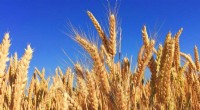
* Self-fertile plants: These plants can successfully pollinate themselves. For example, some varieties of wheat, rice, and beans are self-fertile.
* Plants that can self-pollinate but prefer cross-pollination: Some plants, like tomatoes, can technically self-pollinate, but they often produce more and better fruit when cross-pollinated.
It's important to remember: While there are many plants that are self-incompatible, there are also many plants that are self-fertile. The ability to self-pollinate varies greatly depending on the species and variety.