1. Hard Parts: Organisms with hard parts like bones, teeth, shells, or exoskeletons are much more likely to fossilize. These parts are resistant to decay and can withstand the pressures of sediment accumulation.
2. Rapid Burial: Quick burial after death is crucial. This prevents scavenging and decay, which would destroy the organism before fossilization can occur.
3. Favorable Environment: Certain environments are more conducive to fossilization. For example, sedimentary environments like lakes, rivers, and oceans provide the layers of sediment needed to bury and preserve organisms.
Examples of Organisms That Form Fossils:
* Dinosaurs: Bones, teeth, and sometimes footprints.
* Mammals: Bones, teeth, and sometimes fur or skin impressions.
* Fish: Bones, scales, and sometimes teeth.
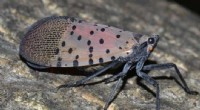
* Insects: Exoskeletons and sometimes wings.
* Plants: Leaves, stems, seeds, and sometimes wood.
* Mollusks: Shells
* Trilobites: Exoskeletons
* Ammonites: Shells
* Crinoids: Stems and arms
It's important to note:
* Soft tissues are rarely preserved: While fossilized skin impressions are possible, they are quite rare. The conditions required for preserving soft tissues are very specific.
* Trace fossils: These aren't the remains of the organism itself, but evidence of their activity. Examples include footprints, burrows, and coprolites (fossilized dung).
* Not all organisms fossilize: Many organisms, especially those that are small or lack hard parts, are unlikely to be preserved.
Fossils provide valuable information about past life and environments. They are a critical tool for understanding Earth's history and evolution.